Why Imported Pop Tastes Different
Cane sugar, local rules, one-country flavours and the glass bottle.
Shop drinks
Line up a Coca-Cola bottled in Mexico next to one from the grocery store here and the labels look nearly the same. The ingredient lists don't.
A soft drink sold under one name can be made to a different recipe in each country, and an import shelf is the easiest place to taste the difference for yourself. Here's what usually changes.
Cane sugar and glucose-fructose
The biggest difference is usually the sweetener.
- Coca-Cola made in Mexico lists cane sugar.
- Coca-Cola made for Canada lists sugar/glucose-fructose. Glucose-fructose is the Canadian label name for what Americans call high-fructose corn syrup.
- Table sugar is glucose and fructose joined in equal parts. The syrup most common in soft drinks is roughly 55 per cent fructose, with most of the rest glucose.
Whether you can taste the difference is a friendly argument best settled with two cold bottles.
Why the switch happened
It was about price, not flavour. In the early 1980s, sugar quotas and tariffs in the United States kept sugar there expensive while corn syrup stayed cheap, and the big soft-drink makers moved over to the syrup.
Mexico's bottlers kept cane sugar, and those tall glass bottles picked up a loyal following north of the border.

Local rules change recipes
Governments shape recipes too. The UK's Soft Drinks Industry Levy, which started in April 2018, charges drink makers by how much sugar a drink contains. Many brands changed their recipes before it began, swapping part of the sugar for other sweeteners.
Irn-Bru, the bright orange Scottish soft drink first made by A.G. Barr in 1901, was one of them. The company later brought the older recipe back as a separate drink called Irn-Bru 1901. So two cans with the same name may not share a recipe, and the label is how you tell.
Flavours made for one market
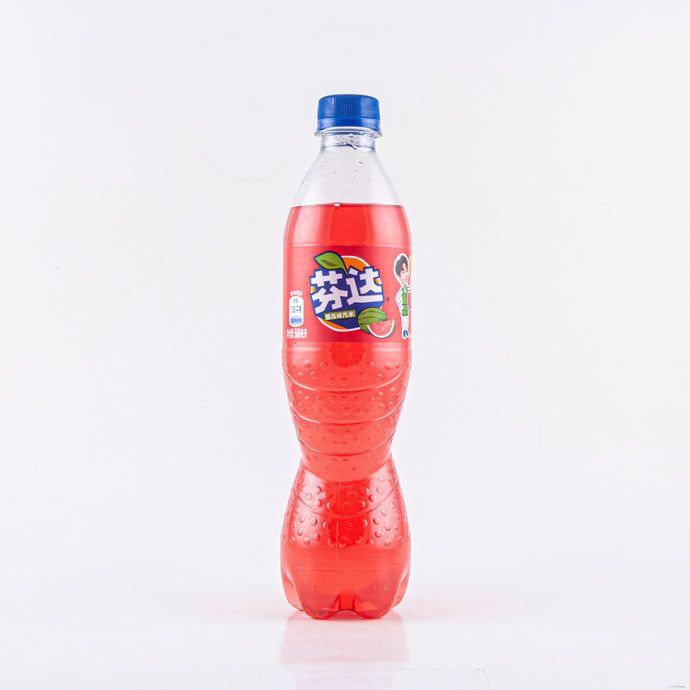
Big brands also make flavours for one country and nowhere else. Fanta, which started in Germany in 1940, is a good example: its line-up changes from market to market. The Fanta we bring in from China comes in flavours like white peach, hami melon and passionfruit that you won't spot at the corner store here.
Old favourites travel too. Squirt, a grapefruit soda first made in Arizona in 1938, is a big name in Mexico, where it comes in green glass bottles.
The bottle matters too
- Glass doesn't react with the drink and holds the fizz well.
- Cans have a thin lining inside, so the drink never touches the metal.
- Plastic bottles let a tiny bit of carbon dioxide slip through the walls over time, which is why plastic can go flat sooner on the shelf.
Comparing two versions? Chill them the same way so the recipe is the only difference.
From the shelf
Imported pop to compare


Stock moves fast, so flavours come and go. Browse all drinks to see what's in right now.
General information about ingredients and packaging. Recipes change; check the label on the product you buy.